
How Maryland Homeowners Can Prepare Their Heating Systems for Winter Weather
Middle River, United States – January 30, 2026 / Gauge Digital Media /
Synergy Mechanical Solutions Shares Essential HVAC Winter Maintenance Guidance for Maryland Homeowners
Winter weather in Maryland brings a combination of freezing nights, icy mornings, and fluctuating daytime temperatures that place added strain on residential HVAC systems. Heating equipment that may have seen limited use during warmer months must suddenly perform reliably and efficiently for extended periods. Proper winter preparation is critical to maintaining comfort, controlling energy costs, and avoiding unexpected breakdowns.
Synergy Mechanical Solutions emphasizes that proactive HVAC maintenance before winter begins allows homeowners to address small issues early, improve system performance, and ensure dependable heating throughout the season. A comprehensive winter checklist tailored to Maryland’s climate can help homeowners stay prepared as temperatures drop.
Inspecting and Testing Heating Systems Before Cold Weather Sets In
One of the most important steps in winter HVAC preparation is inspecting and testing the heating system before cold weather becomes consistent. Early testing helps identify performance concerns while conditions are manageable, rather than during peak winter demand.
Homeowners are encouraged to run their heating systems and observe how they operate. Smooth startup, consistent heating, and stable temperatures indicate proper function. Delayed ignition, frequent cycling, uneven heating, or weak airflow may signal underlying problems that should be addressed promptly.
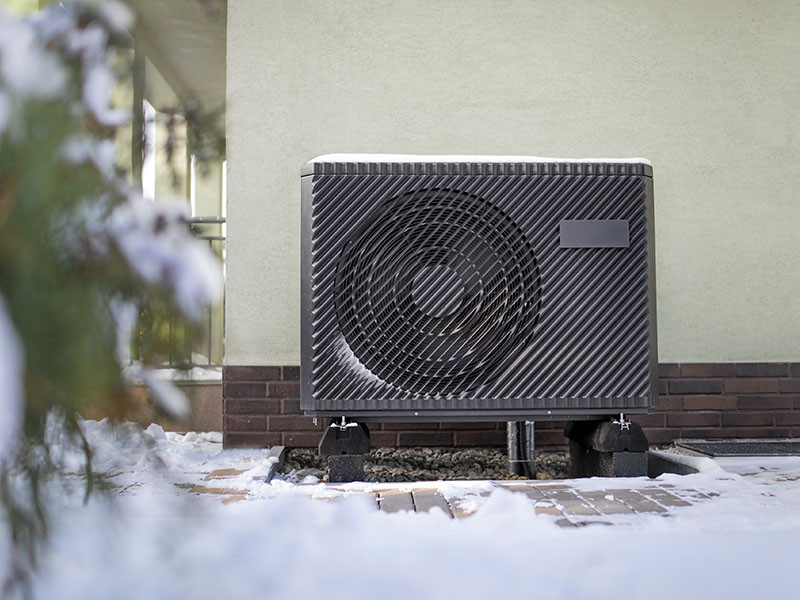
Common warning signs include unusual noises such as banging or grinding, lingering odors, inconsistent room temperatures, or visible rust and corrosion on equipment. For heat pump systems, which are common in Maryland homes, verifying proper heating mode operation and defrost cycles is especially important. Addressing these concerns early reduces the risk of emergency repairs and ensures reliable winter performance.
Replacing Air Filters and Maintaining Proper Airflow
Air filters play a critical role in winter HVAC performance, yet they are often overlooked. During colder months, heating systems operate more frequently, causing filters to accumulate dust, debris, and allergens at a faster rate.
Synergy Mechanical Solutions recommends checking air filters monthly during winter and replacing them as needed—typically every one to three months depending on household conditions. Homes with pets, allergies, or higher occupancy may require more frequent replacement.
Restricted airflow caused by dirty filters forces HVAC systems to work harder, increasing energy consumption and wear. Blocked or closed vents can also disrupt airflow and create cold spots. Ensuring that all supply and return vents remain open and unobstructed supports balanced heating, improved indoor air quality, and efficient system operation.
Optimizing Thermostat Settings for Comfort and Efficiency
The thermostat serves as the control center for HVAC operation, making proper setup essential for winter efficiency. Before cold weather arrives, homeowners should confirm that their thermostat is functioning correctly and accurately reflecting indoor temperatures.
Programmable and smart thermostats offer significant advantages by allowing temperature schedules that align with daily routines. Lowering temperatures slightly during sleep hours or when the home is unoccupied can lead to meaningful energy savings over the course of a Maryland winter.
Best practices include maintaining consistent temperature settings, avoiding frequent manual adjustments, and preventing drastic temperature changes that strain the system. Thermostats should also be positioned away from drafts or direct heat sources to ensure accurate readings.
Inspecting Ductwork and Insulation to Prevent Heat Loss
Efficient heating depends not only on the HVAC system itself, but also on how well warm air is delivered and retained throughout the home. In many Maryland homes, ductwork runs through unconditioned spaces such as attics, basements, or crawl spaces, where heat loss can significantly affect comfort.
Visible ductwork should be inspected for gaps, disconnections, or damaged insulation. Even small leaks can allow heated air to escape before reaching living areas, forcing the system to run longer to compensate.
Common signs of duct or insulation problems include uneven room temperatures, drafts, rising energy bills, and cold floors or walls. Improving duct sealing and insulation helps create a more stable indoor environment, reduces heating demand, and enhances overall efficiency.
Managing Indoor Humidity for Winter Comfort
Winter air in Maryland is typically dry, especially once outdoor air is heated indoors. Low humidity levels can make homes feel colder than they are, leading to higher thermostat settings and increased energy use.
Maintaining balanced indoor humidity—generally between 30 and 50 percent—improves comfort and allows homeowners to feel warmer at lower temperatures. Proper humidity control also helps reduce dry skin, sinus irritation, and static electricity.
Balanced humidity protects both the home and HVAC system. Excessively dry air can damage wood flooring, furniture, and trim, while excessive moisture may cause condensation or mold growth. Proper humidity management supports healthier indoor air quality and more efficient heating.
Prioritizing Safety and Scheduling Professional HVAC Maintenance
Safety is a critical component of winter HVAC operation, particularly for homes with gas or oil heating systems. During winter, homes are sealed more tightly, increasing the risk of carbon monoxide buildup if equipment is not properly maintained.
Homeowners should ensure carbon monoxide detectors are installed on every level of the home, exhaust vents and flues are clear, and combustible materials are kept away from heating equipment. Persistent odors or improper startup should be addressed immediately.
While basic maintenance can be handled by homeowners, professional HVAC service provides a deeper level of protection. A professional winter tune-up includes inspecting heat exchangers, testing safety controls, checking electrical connections, and verifying system efficiency. Routine maintenance reduces breakdown risk, extends equipment lifespan, and improves reliability during peak demand.
Preparing for Winter With a Trusted HVAC Partner
Maryland winters can be unpredictable, but home comfort should remain consistent. When HVAC systems are properly prepared, homeowners benefit from steady temperatures, improved efficiency, and fewer disruptions during cold weather.
That reliability comes from working with an HVAC provider who understands local climate conditions and residential heating needs. A knowledgeable partner helps homeowners approach winter with confidence, knowing their systems have been evaluated and optimized for seasonal demands.
Synergy Mechanical Solutions provides comprehensive heating services, including preventative maintenance, system inspections, repairs, and replacements. The company focuses on practical, long-term solutions that help HVAC systems perform reliably throughout the winter season.
Homeowners looking to prepare their heating systems for winter are encouraged to contact Synergy Mechanical Solutions to schedule service and ensure dependable comfort when it matters most.


Contact Information:
Synergy Mechanical Solutions
6618 Blackhead Rd
Middle River, MD 21220
United States
Bryce Link
(410) 948-1850
Original Source: https://synergymechsolutions.com/the-ultimate-hvac-winter-maintenance-checklist-for-maryland-homeowners/
